
Kyoto has many nicknames, the most fitting of which are the “City of Ten Thousand Shrines” and the “Thousand-Year Capital”. It served as the imperial capital of Japan for over a millennium - from 794 to 1869 - and today is home to an endless supply of temples, shrines and UNESCO sites. History can be felt everywhere you go but the city has also modernized with neon towers, sleek shopping streets, and bustling nightlife districts.
This mix of old and new - serenity and raw energy - is why we love Kyoto so much. One minute you can be marveling at the Golden Pavilion and the next sharing a Shochu with your new Japanese friends by the river. We don’t believe renting a Kimono or even participating in a tea ceremony is necessary here. Instead, just follow your nose down the lantern-lit streets at night and you’ll experience an atmosphere that only Kyoto can offer.
Some of the tourist attractions miss the point, and to be honest get so crowded that they make the Shibuya Crossing in Tokyo look tame. Our guide on the best things to do in Kyoto focuses on the simple pleasures: eating, drinking and exploring on foot. Call it our “Kyoto Protocol”, if you will. Go hang out with the students, find a local “hole in the wall” bar, and pick 3 or 4 temples max to ensure you don’t suffer from temple fatigue.
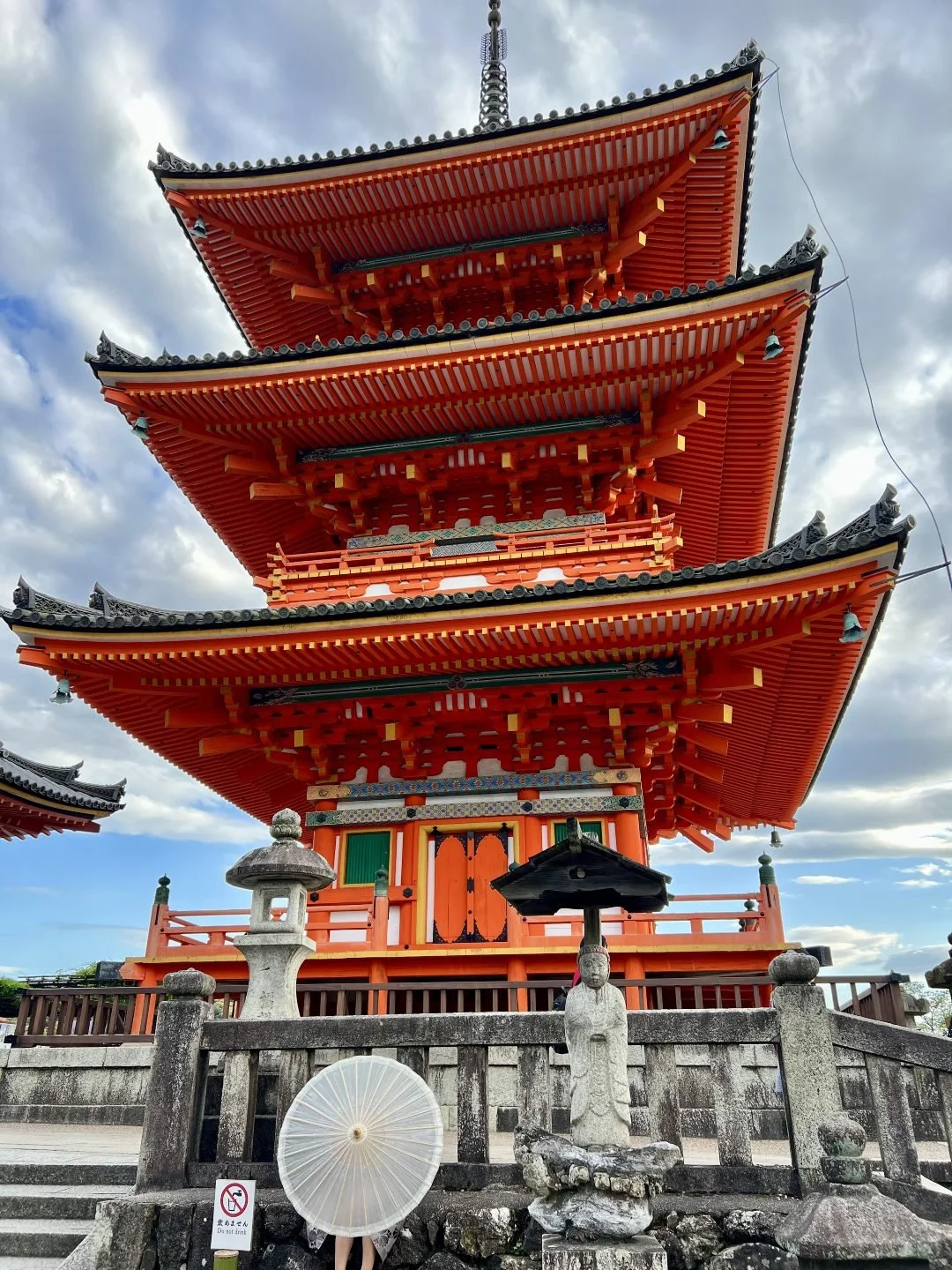
Temples of Kyoto
20 Best Things To Do in Kyoto
1. Make Akatsuki Your Home Base
We stayed at this cozy Japanese-style home with our friends and it made for the perfect oasis in Kyoto. Akatsuki is a two-story property that comes equipped with a TV, bath, comfortable futon beds and those typical sliding doors. It’s situated in a peaceful neighborhood, surrounded by little alleys and canals, just 15 minutes walk from the city center. Walking to and from the home gives you a glimpse into the laidback residential life of locals.
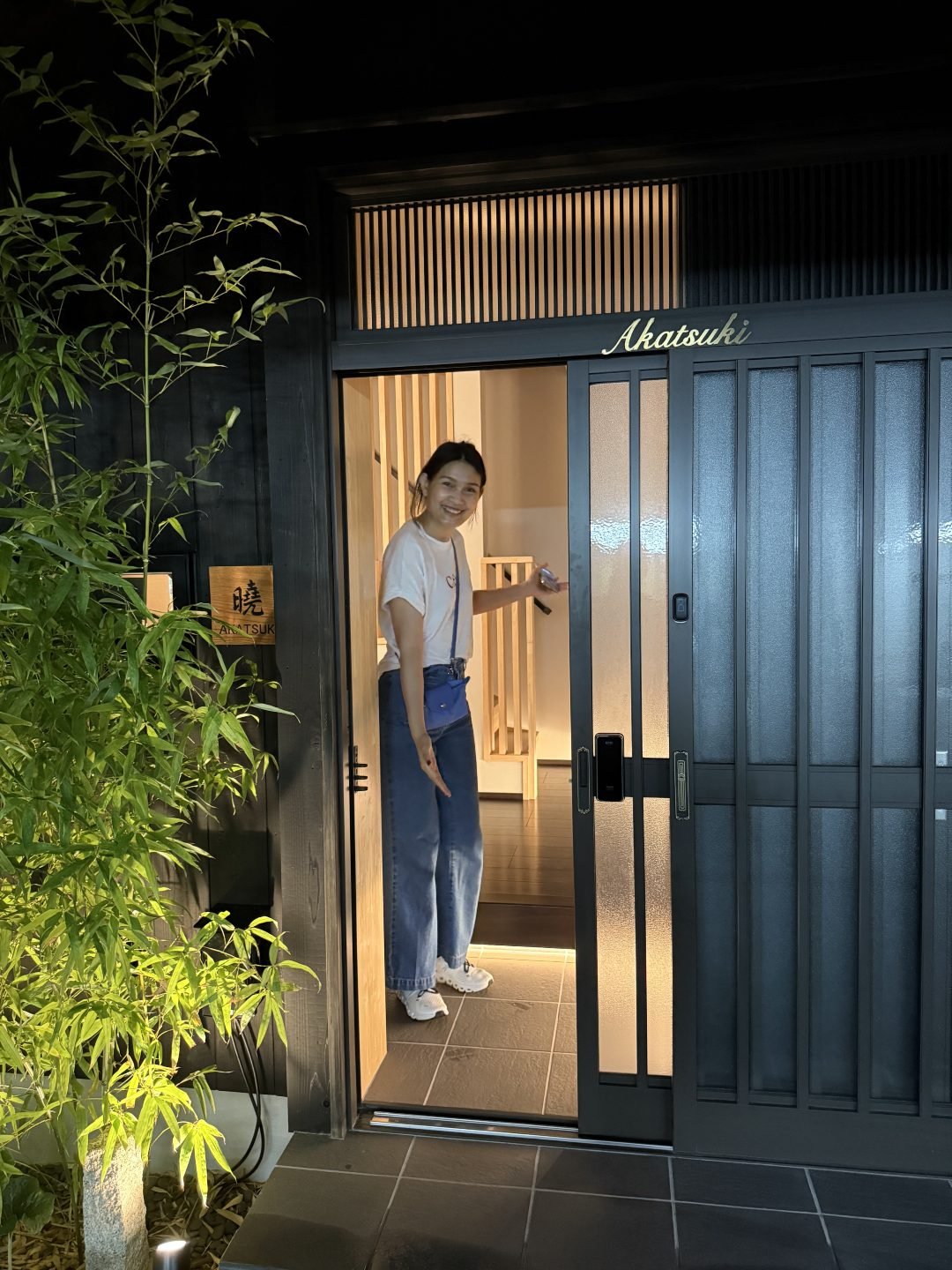
Akatsuki
2. Enjoy the Nightlife of Kiyamachi-Dori
The nightlife in Kyoto is surprisingly awesome - it can even beat Osaka when the city’s in the right mood. If you saunter down Kiyamachi-Dori, you’ll see Izakayas (casual pubs), cocktail bars, karaoke spots and small nightclubs all lined along the canal. Our favorite places to enjoy a drink are the cramped standing bars, big enough to fit only a dozen people. It might sound unappealing but it’s the best way to meet locals. Some of their colorful Isshobin collections (Sake and Shochu bottles) are impressive.
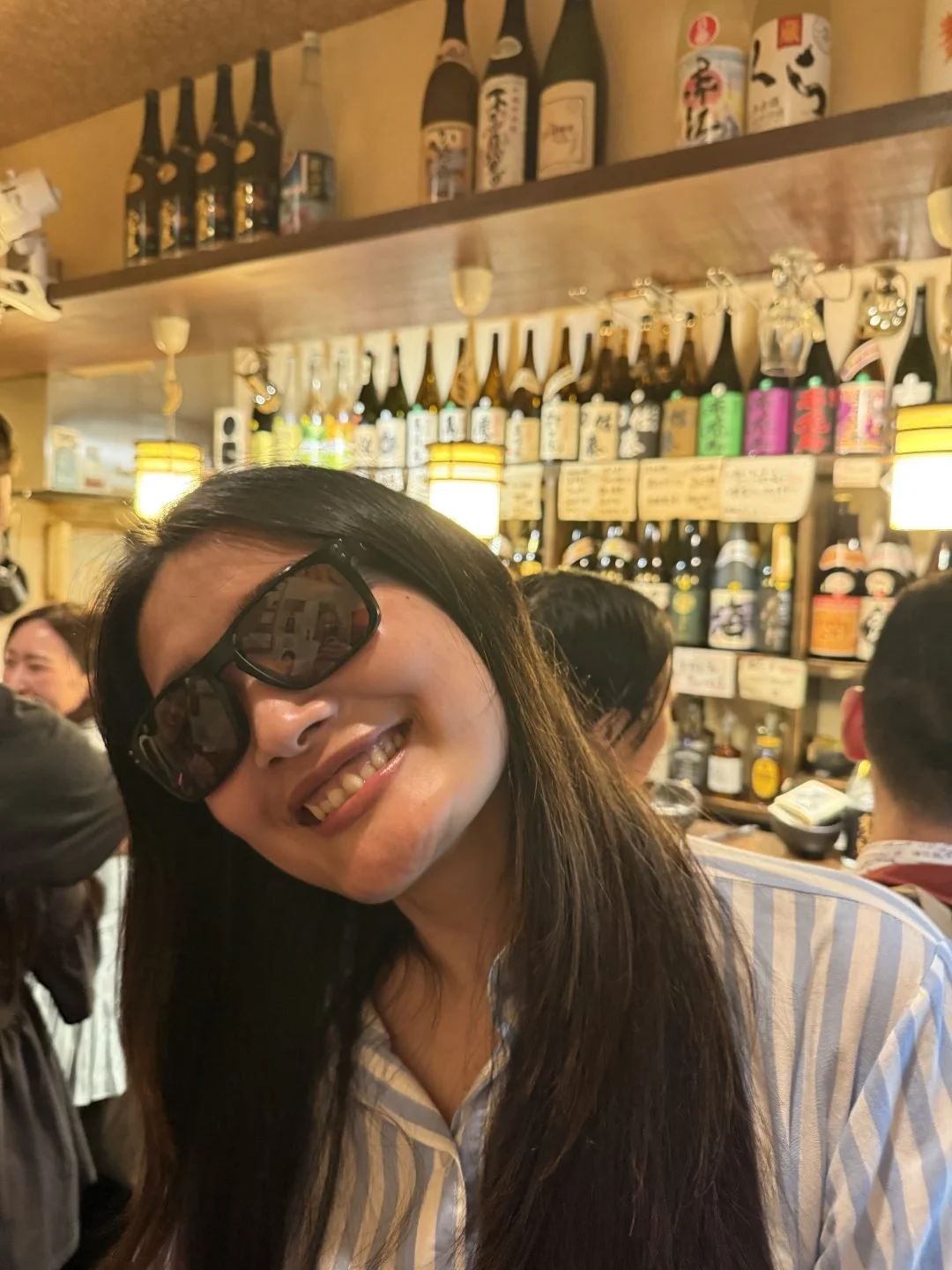
Standing bars
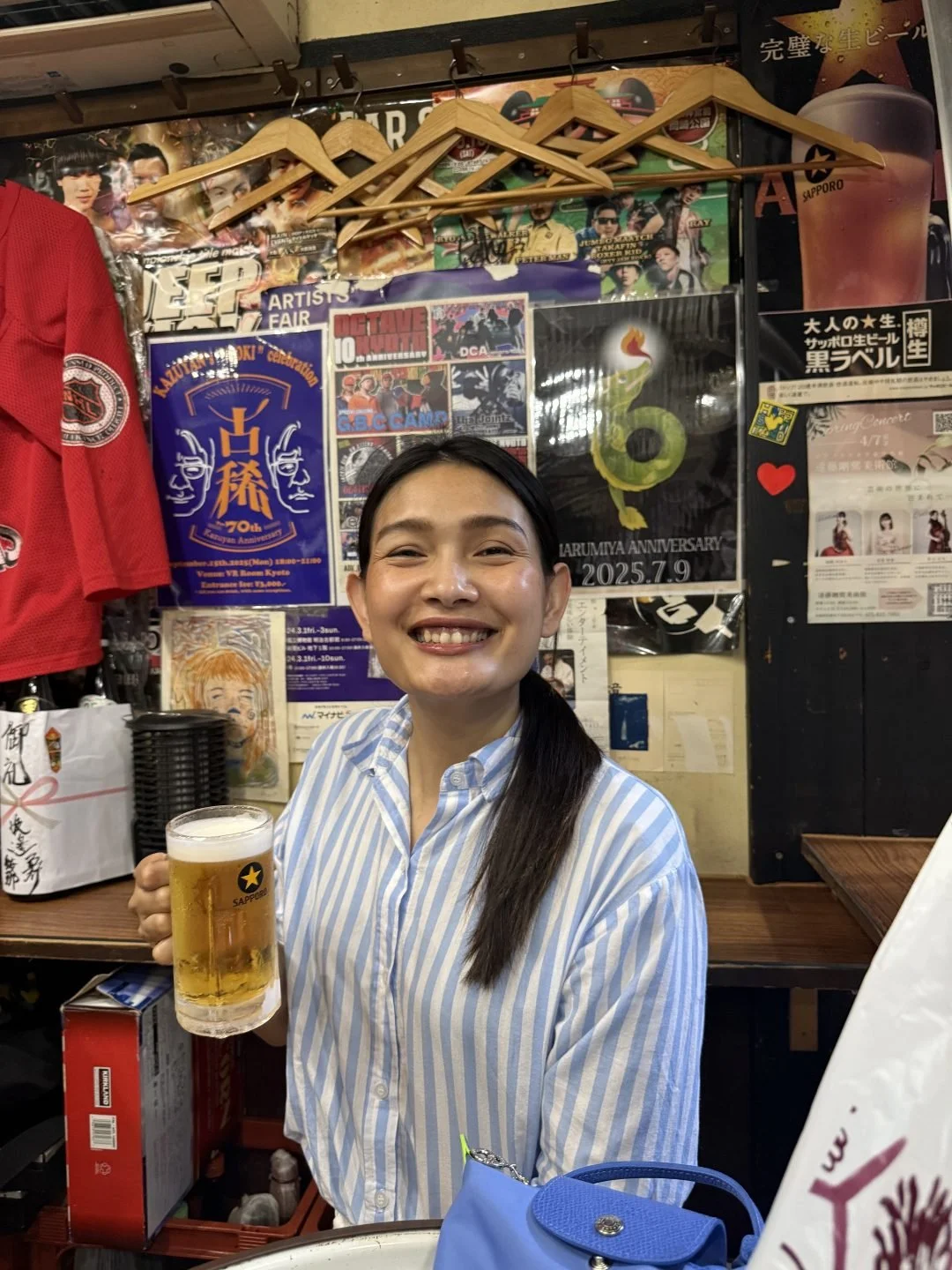
Bars of Kiyamachi-Dori
3. Gorge on Delicious Japanese Food
Another area where Kyoto can compete with Osaka is food. We’ve had some incredible meals in Kyoto over the years, from Shabu-Shabu hot pot to premium Wagyu sets. One night, we treated ourselves to a 5-course Wagyu dinner where the beef was presented with strange frog figurines. We sat by the open kitchen, watching the chef do his thing, and cooked the meat on our own grill. It was phenomenal - although we usually stick to the budget Yakiniku joints or just grab a bowl of ramen to save on costs.
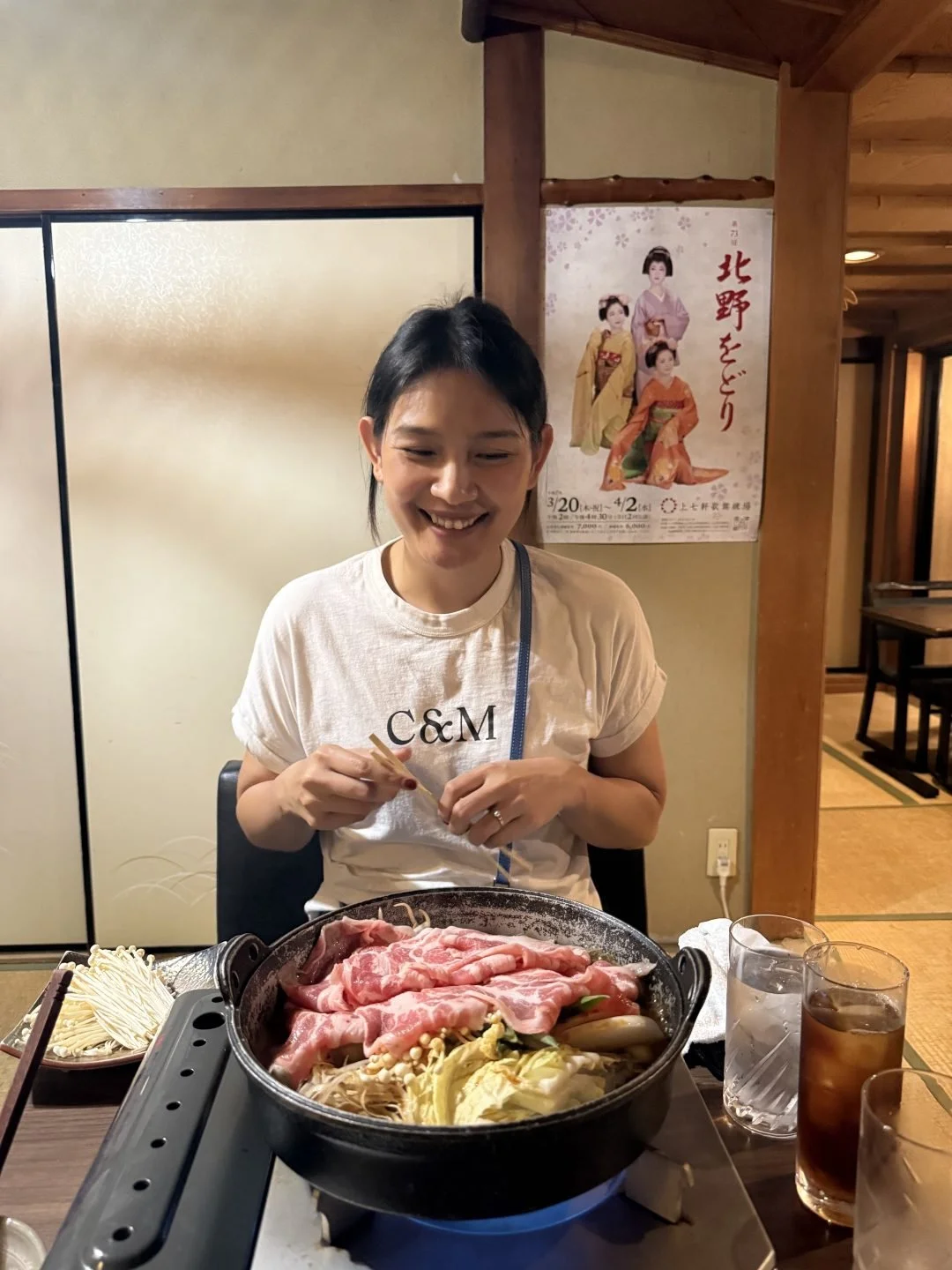
Shabu-Shabu
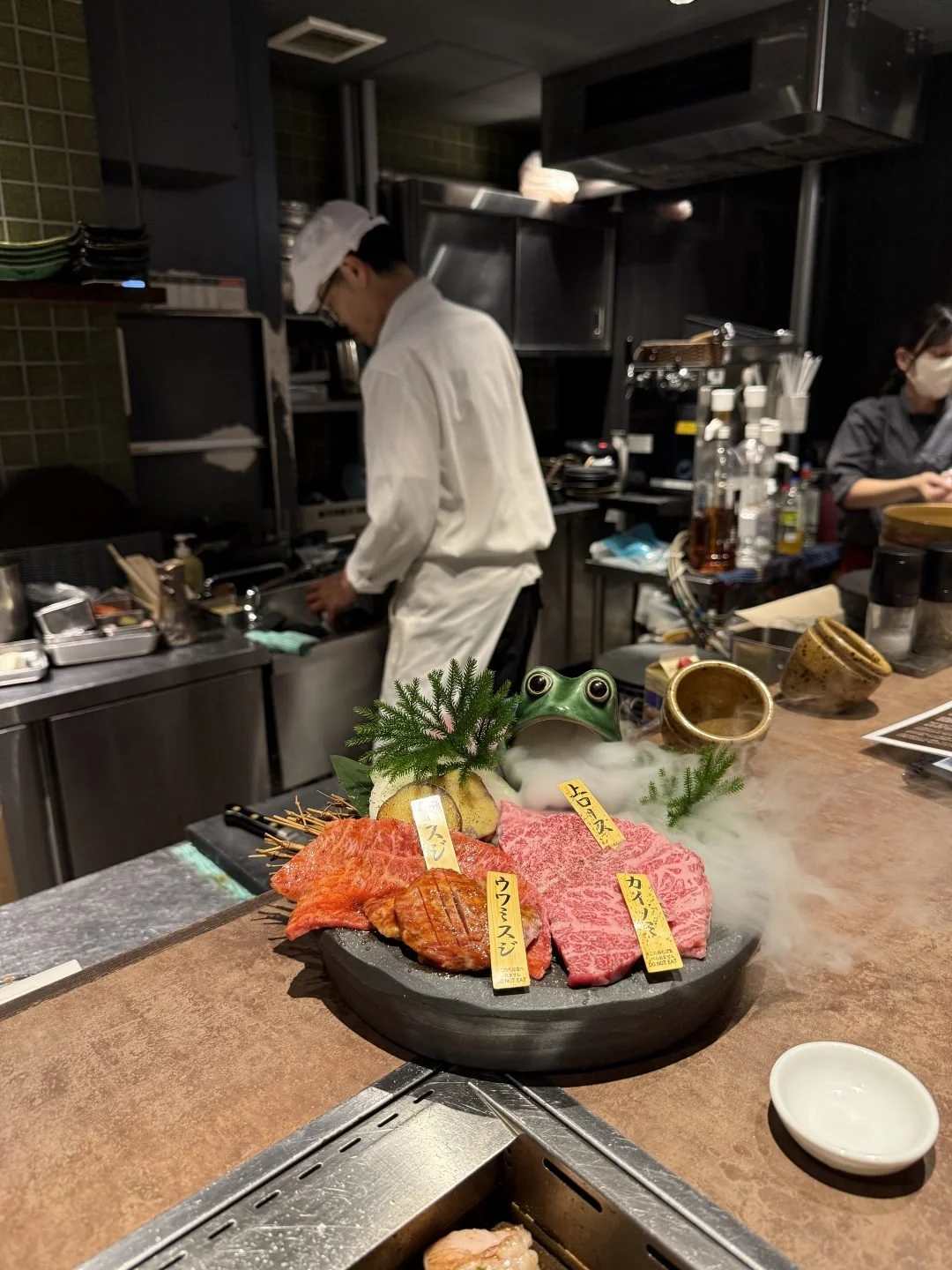
Wagyu dinner
4. Explore the Orange Gates of Fushimi Inari Taisha
The most iconic activity in Kyoto is walking through the orange Torii gates of Fushimi Inari Taisha. There’s a large concentration of them found at Senbon Torii (Thousand Torii Gates), creating that orange corridor effect. You can either take a photo here (if the tourists allow) or embark on the hike all the way up Mount Inari where countless more gates await. Be sure to try charcoal-grilled Dango (mochi) as well, sold at the shrine’s entrance.
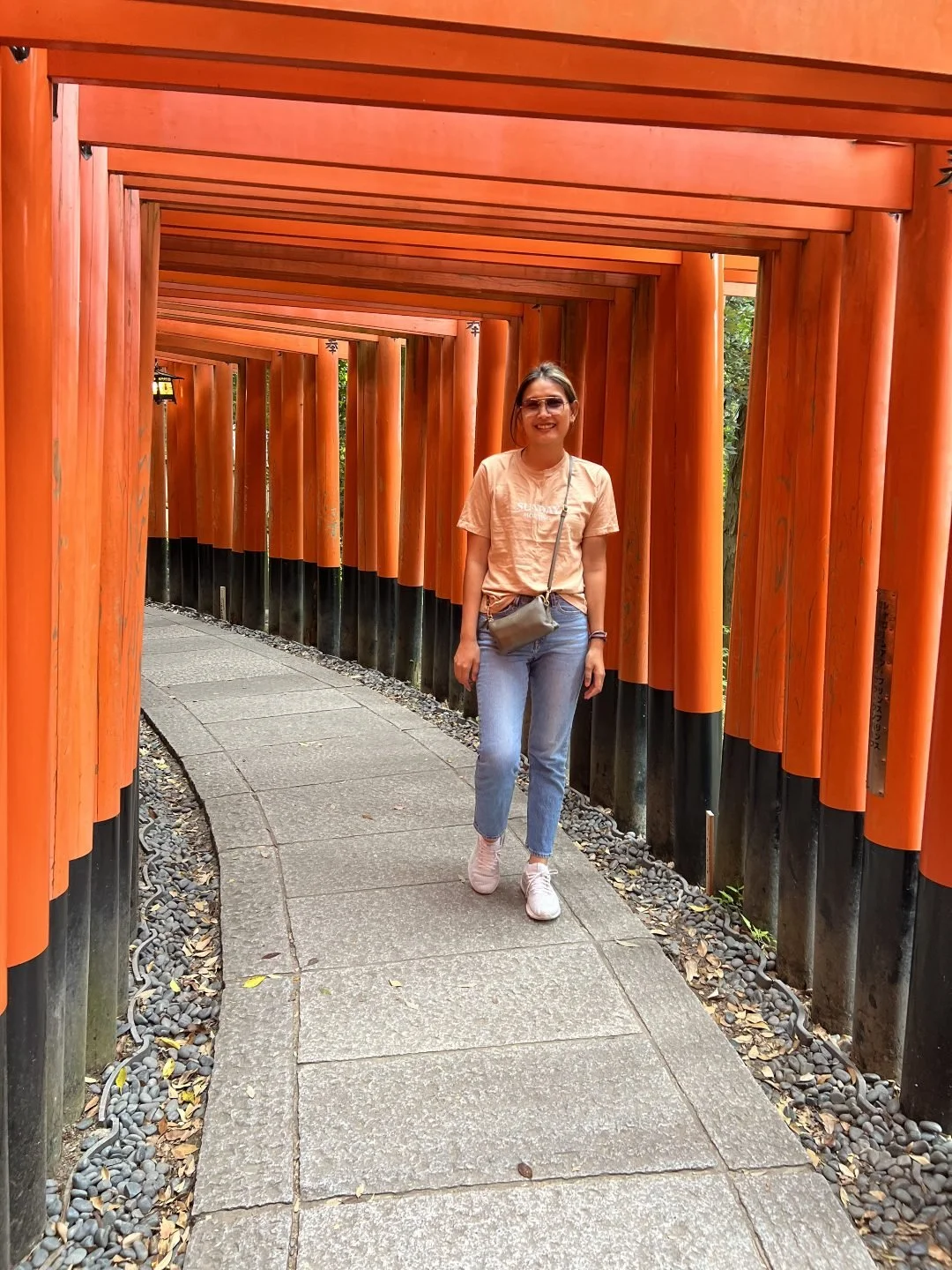
Fushimi Inari Taisha
5. Admire the Sunset at Kiyomizu-Dera
Arguably, the most spectacular sunset spot in Kyoto is Kiyomizu-Dera: a Buddhist temple perched on the slopes of Mount Otowa. The highlight is the massive wooden stage built without a single nail being used. At golden hour, you’ll be able to admire the historical temple structures, surrounding foliage and sprawling city in gorgeous soft lighting. After that, take a stroll down the buzzing streets of Higashiyama en route to the Yasaka Pagoda.
6. Photograph the Yasaka Pagoda
Wandering through the stone alleyways of Higashiyama eventually leads you to the Hokan-Ji Temple, better known as the Yasaka Pagoda. This is perhaps the most photographed site in Kyoto and for good reason. The tower is five stories high with origins that date back to the 6th century, giving it a true “old school Kyoto” vibe. Come in the early morning to avoid the crowds and you’ll have no problem capturing those classic silhouettes.
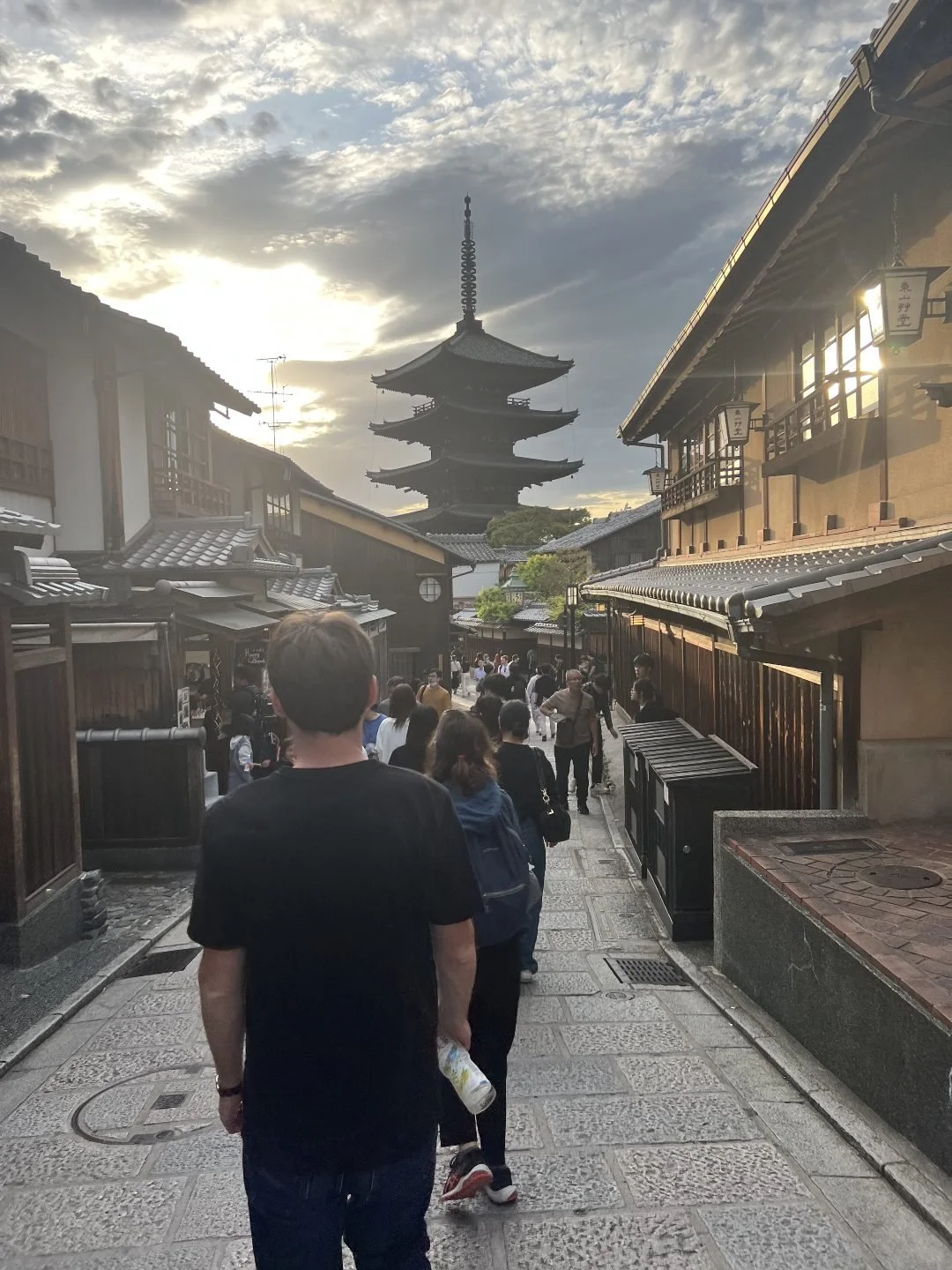
Yasaka Pagoda
7. Stroll Through Gion and Hanamikoji Street
The Gion district of Kyoto has this indescribable atmosphere, especially Hanamikoji Street. You probably won’t spot a real Geiko (Geisha) but you’ll definitely be greeted by rows of lanterns, traditional wooden restaurants and intimate teahouses dotted along the cobblestone streets. On the rare chance that you catch a glimpse of a Geiko, please be respectful and don’t thrust a camera in their face - it’s just not the Japanese way. Some private lanes in Gion have photography bans anyway, so look out for the signs.
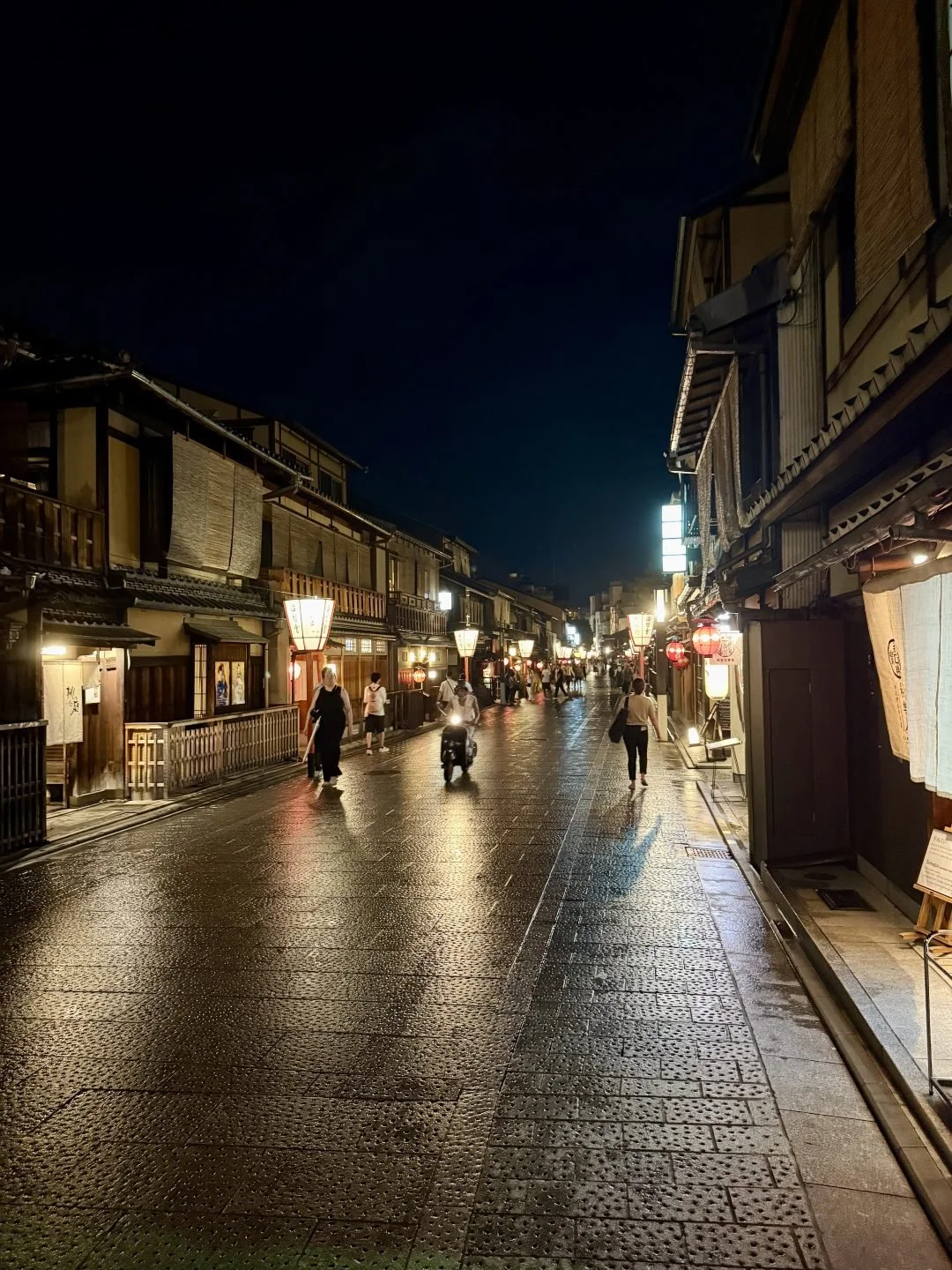
Hanamikoji Street
8. See the Glowing Lanterns of Yasaka Shrine
Yasaka Shrine sits a couple of blocks away from Hanamikoji Street and is open 24 hours, making it a wonderful addition to your Kyoto nights. This is where you can see glowing white lanterns in Japanese script. You enter through a striking vermilion gate at the front which provides an amazing contrast to the modern streets nearby. We munched on a few crab sticks on our visit as well - a tasty snack to keep us fueled for further exploration.

Yasaka Shrine

Yasaka Shrine
9. Visit Kinkaku-Ji (Golden Pavilion) Before the Rush
Kinkaku-Ji is one of those temples that shines in the different seasons, whether that’s draped in snow in winter or ringed by the red and orange leaves of autumn. That said, summer can still be a great time to go as long as you arrive before the tour buses. The Golden Pavilion is nested in manicured gardens, right beside a majestic pond. It’s almost intentionally designed for photographers who want to shoot reflections off the water.
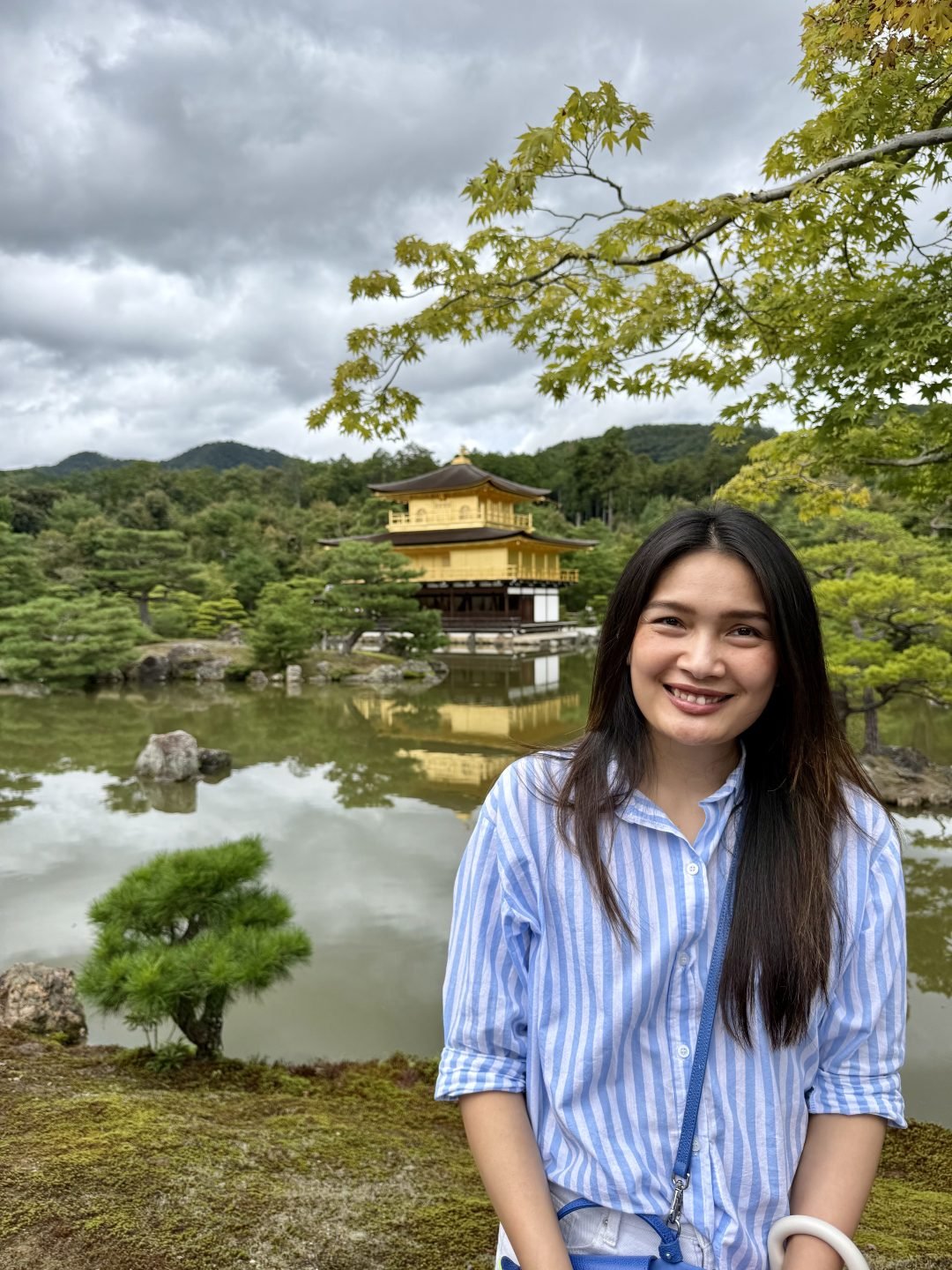
Kinkaku-Ji (Golden Pavilion)
10. Get Lost in Kyoto’s Little Alleyways
It doesn’t matter which part of Kyoto you’re discovering, there’s always a maze of alleyways to get lost in. Poking your head around a random corner and seeing a long line of Chochin lanterns is such a cool feeling - you never know what you’ll find. Even when it’s raining, just grab a transparent Japanese umbrella and you’ll be set. Of course, be considerate of the locals when you’re venturing off the tourist trail into more residential areas.
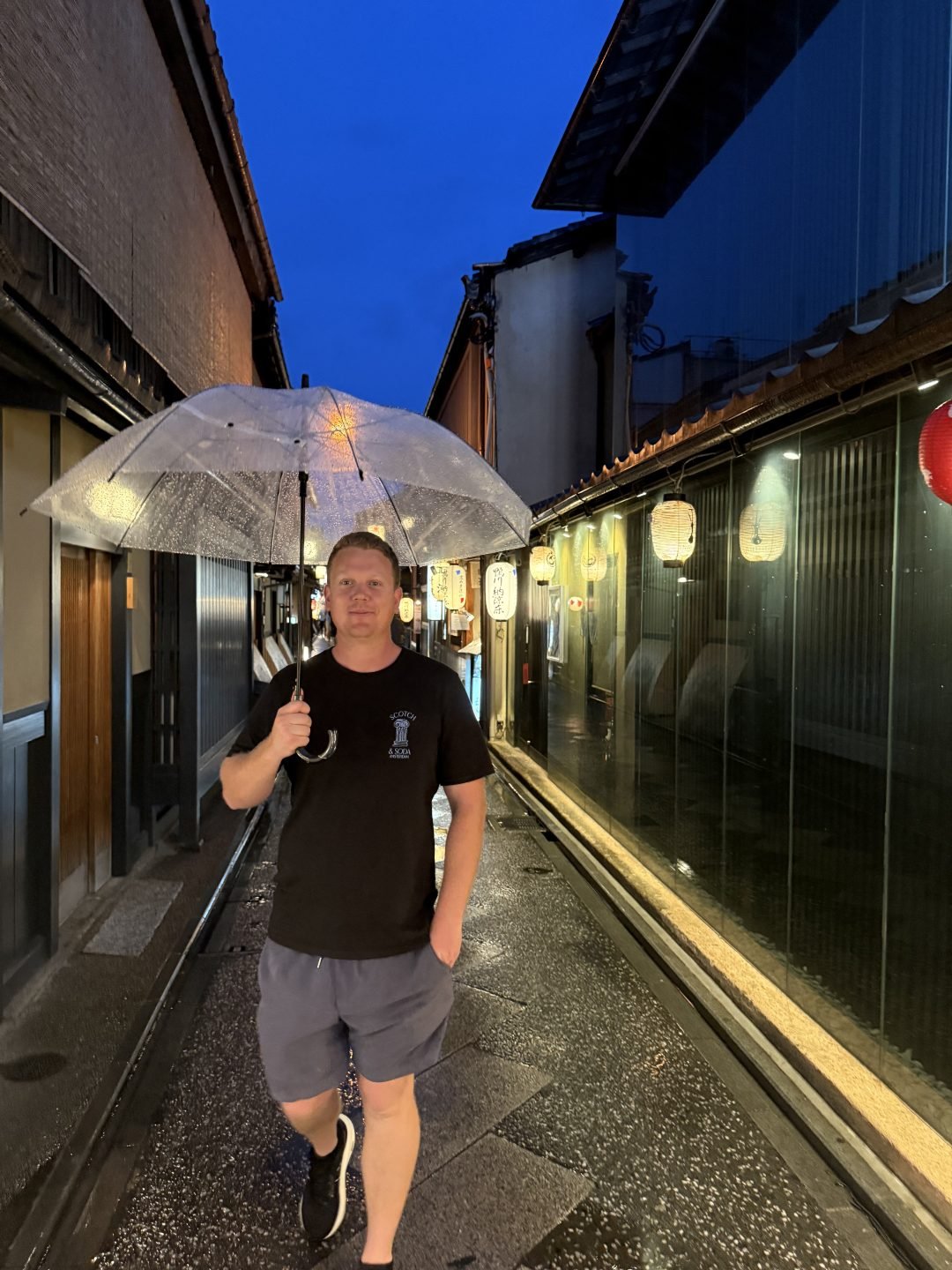
Kyoto’s little alleyways
11. Marvel at the Nidec Kyoto Tower at Night
We don’t think it’s worth going up the Nidec Kyoto Tower - you can always save that kind of activity for Tokyo. However, what’s unique about this tower is that it’s clearly the tallest structure in the city center, standing at 131 meters. To preserve the heritage of Kyoto, regulations keep most buildings relatively low, preventing a sea of skyscrapers from forming. The tower is quite a sight at night - glowing in neon purple and yellow.
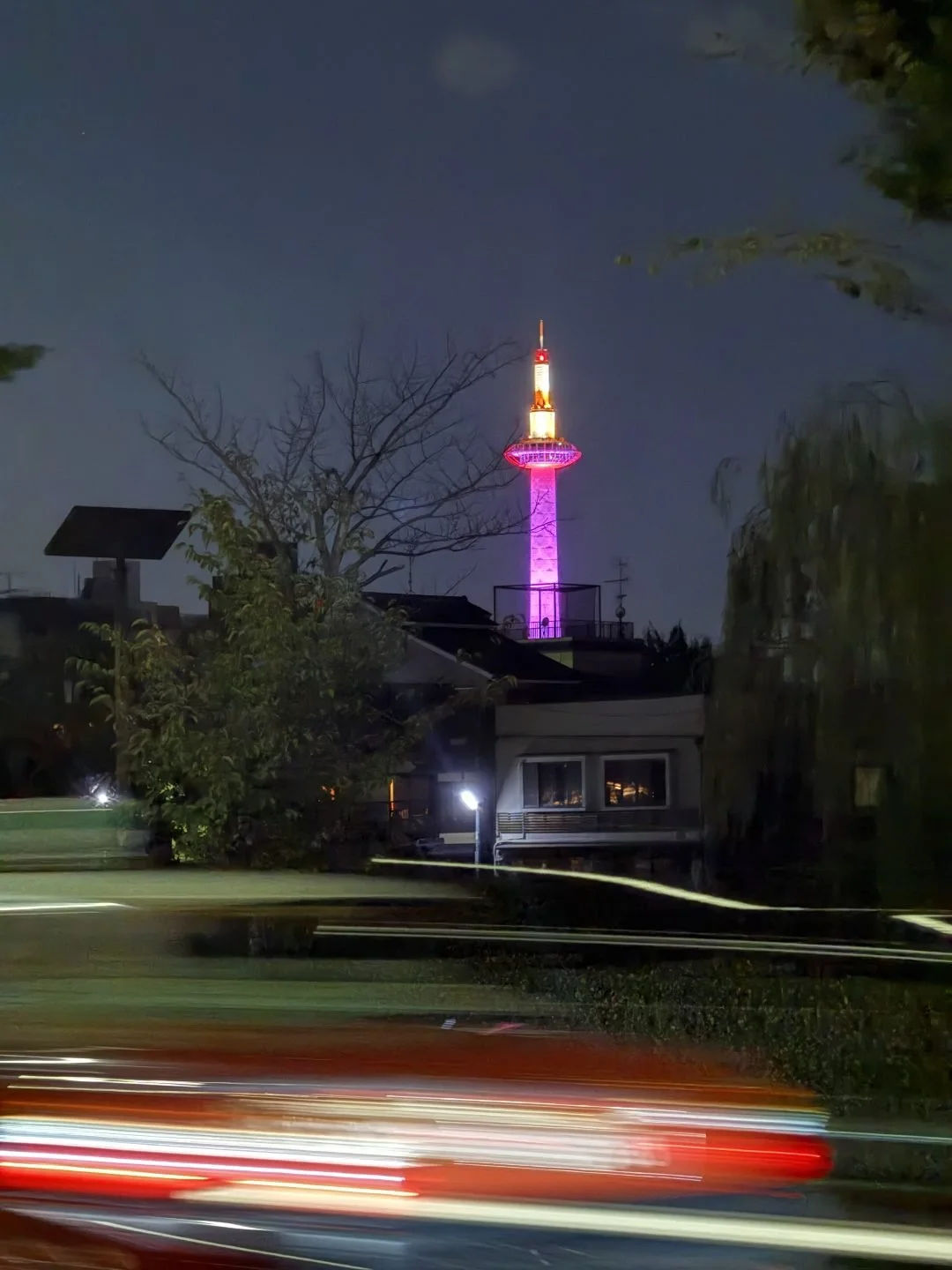
Nidec Kyoto Tower
12. Experience Pure Calm at Kenninji Temple
Our favorite temple in Kyoto is Kenninji. Some of the wooden rooms remind us of The Matrix movie, specifically the scene where Neo says “I know Kung Fu” and starts a sparring program with Morpheus. There’s also some stunning artwork to check out, like the dragon ceiling mural. The entire experience here is serene, from admiring the manicured gravel and gardens to learning about its history as a centre for Zen Buddhism.
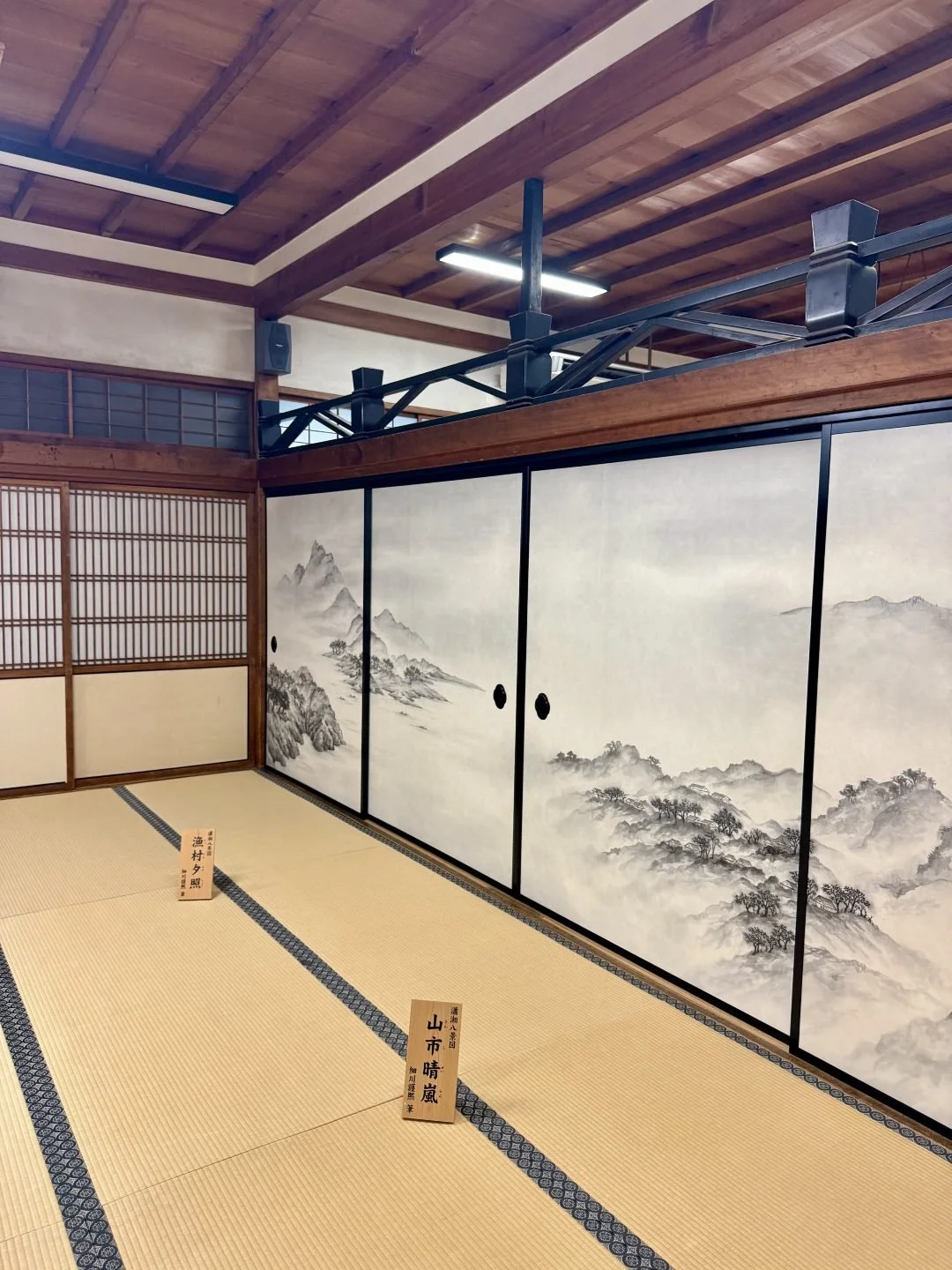
Kenninji Temple
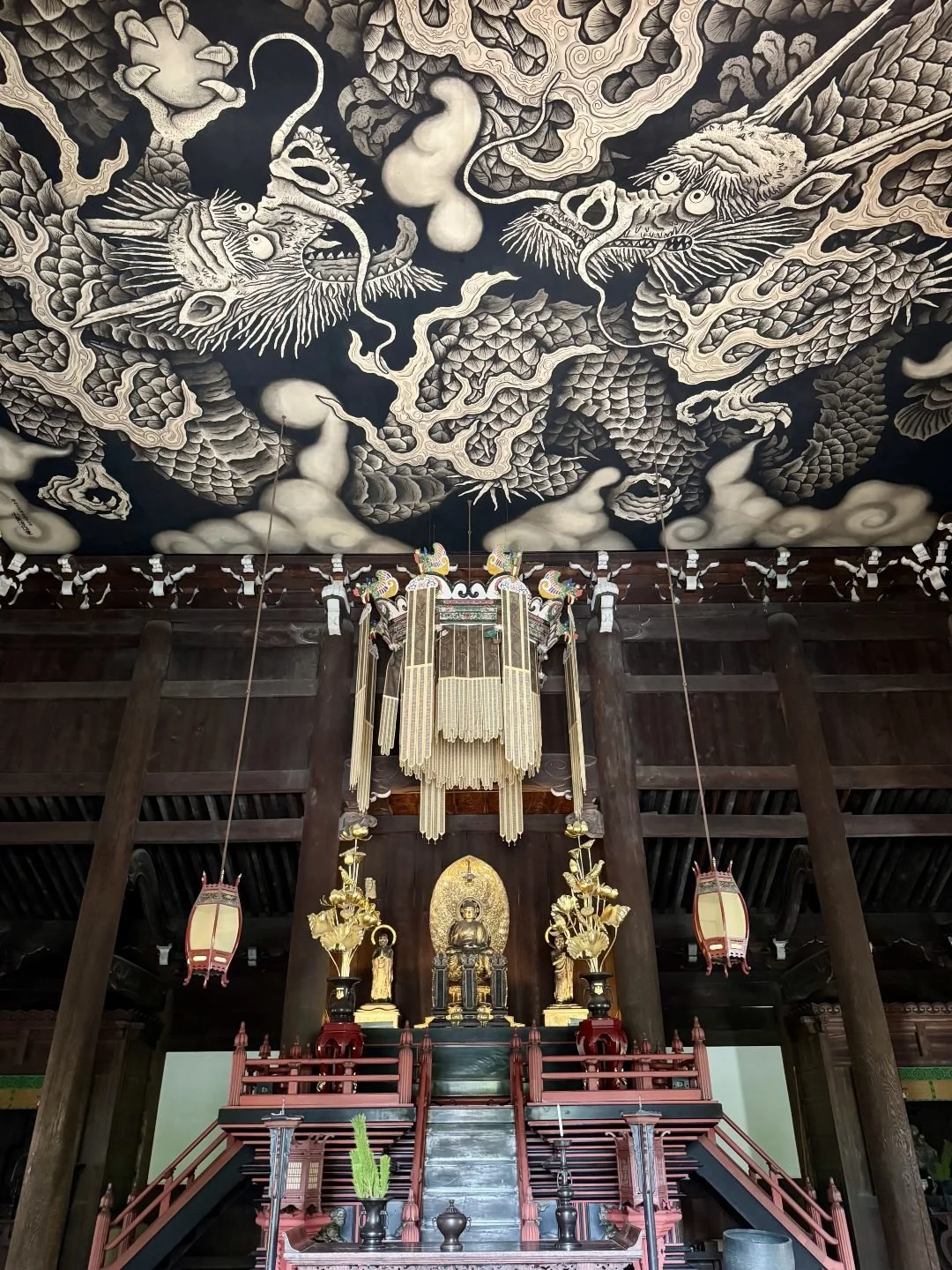
Kenninji Temple
13. Stall-Hop for Snacks at Nishiki Market
The most famous market in Kyoto is called Nishiki, a narrow indoor shopping street with a colorful skylight ceiling. It runs for roughly 400 meters and takes 10 minutes to walk down end to end. That’s if you don’t stop along the way. In our case, Kat tends to get so distracted by all the fresh seafood, Sashimi, Tempura and sizzling hot Takoyaki that it takes us a good hour to make our way through. After stocking up on snacks and souvenirs, you can nip down one of the side streets for a proper sit-down lunch.
14. Indulge in a Bit of Retail Therapy
Every time we come to Kyoto, we can’t resist splashing a few thousand Yen on some new clothes. The main shopping streets have these covered pedestrian walkways, something we find magical (for reasons that are unclear to us). You can head to multi-story retail flagships like Zara or stumble upon unique Japanese boutiques that are at the cutting edge of fashion trends. Unfortunately, all we can do is window shop at the boutiques since the prices are steep and way out of our budget.
15. Step Inside the Aesthetic Yusai-Tei Gallery
Taking the train or bus to Arashiyama is a must-do. This region of Kyoto offers everything from bamboo forests to river boat rides. But recently we came here for one place only: the Yusai-Tei Gallery. Was it worth it? Yes, although we wished we visited in autumn when the leaves turn red. We still managed to snap some excellent photos of the round window and enjoyed weaving through the tiny rooms. Cam felt like he was living out the “Boyfriends of Instagram” meme with the amount of photos he took of Kat.
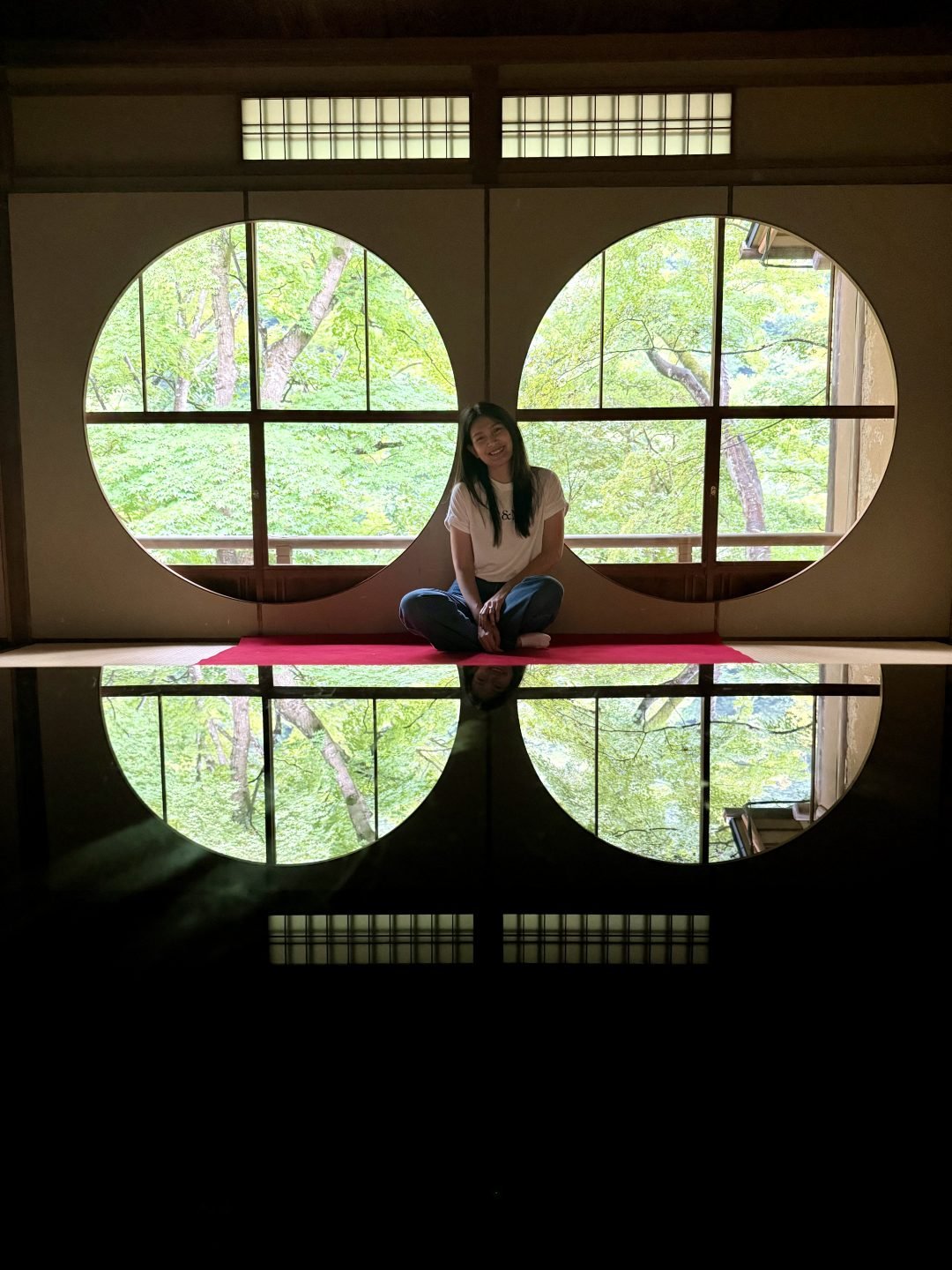
Yusai-Tei Gallery
16. People Watch by Kyoto's Rivers & Canals
The rivers and canals that gently flow through the streets of Kyoto really add a sense of tranquility to your trip. Kamo River is where students, families and salarymen take a break from life and soak up the sun. Nights are particularly lovely. We remember walking along the river back to our hotel late one night and seeing homes with their curtains wide open. A simple scene of a couple cooking together while we casually wandered by was so special. The high-trust society in Japan is truly something to behold.
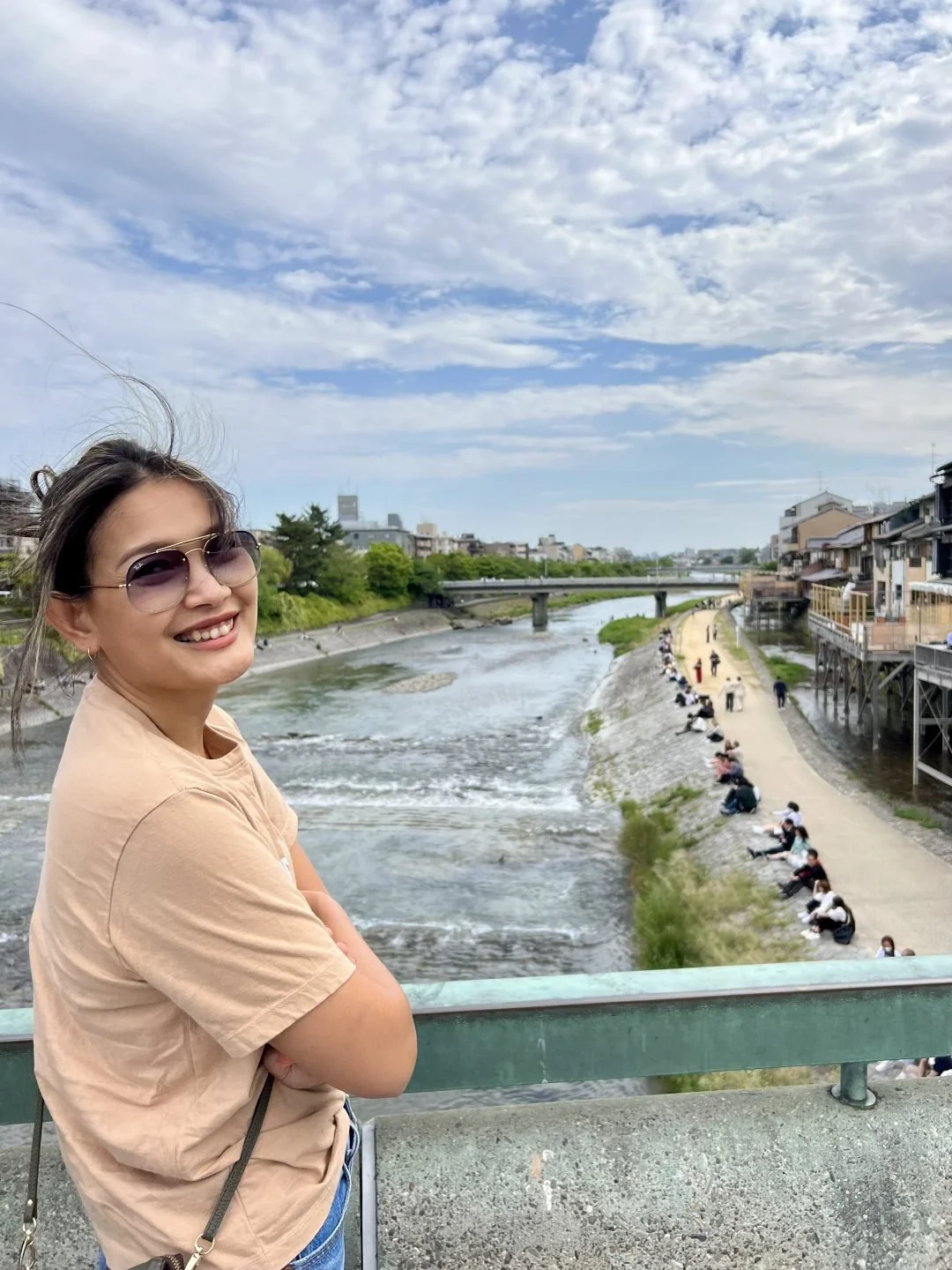
River during the day
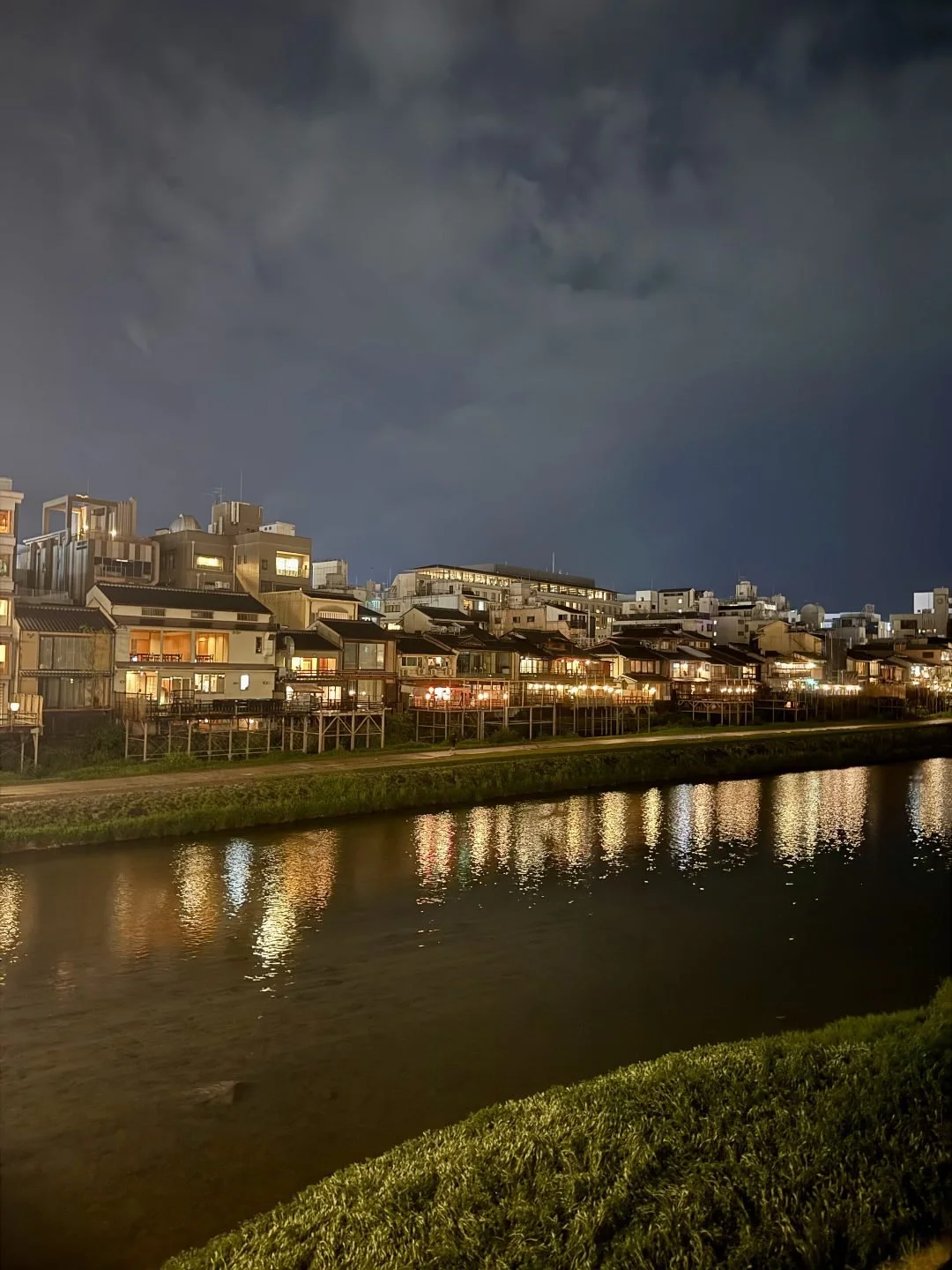
River at night
17. Seek Love & Blessings at Okazaki Shrine
As all good couples do, we wanted to visit Okazaki to pray for a happy relationship. This small Shinto shrine is dedicated to fertility, childbirth and marriage, and is full of hundreds of tiny rabbit statues. Why bunnies you might ask? Well, the surrounding area used to be known as a natural habitat for these fluffy creatures. Like the Namba Yasaka Jinja shrine in Osaka, you can write on plaques to receive blessings from the spirits.
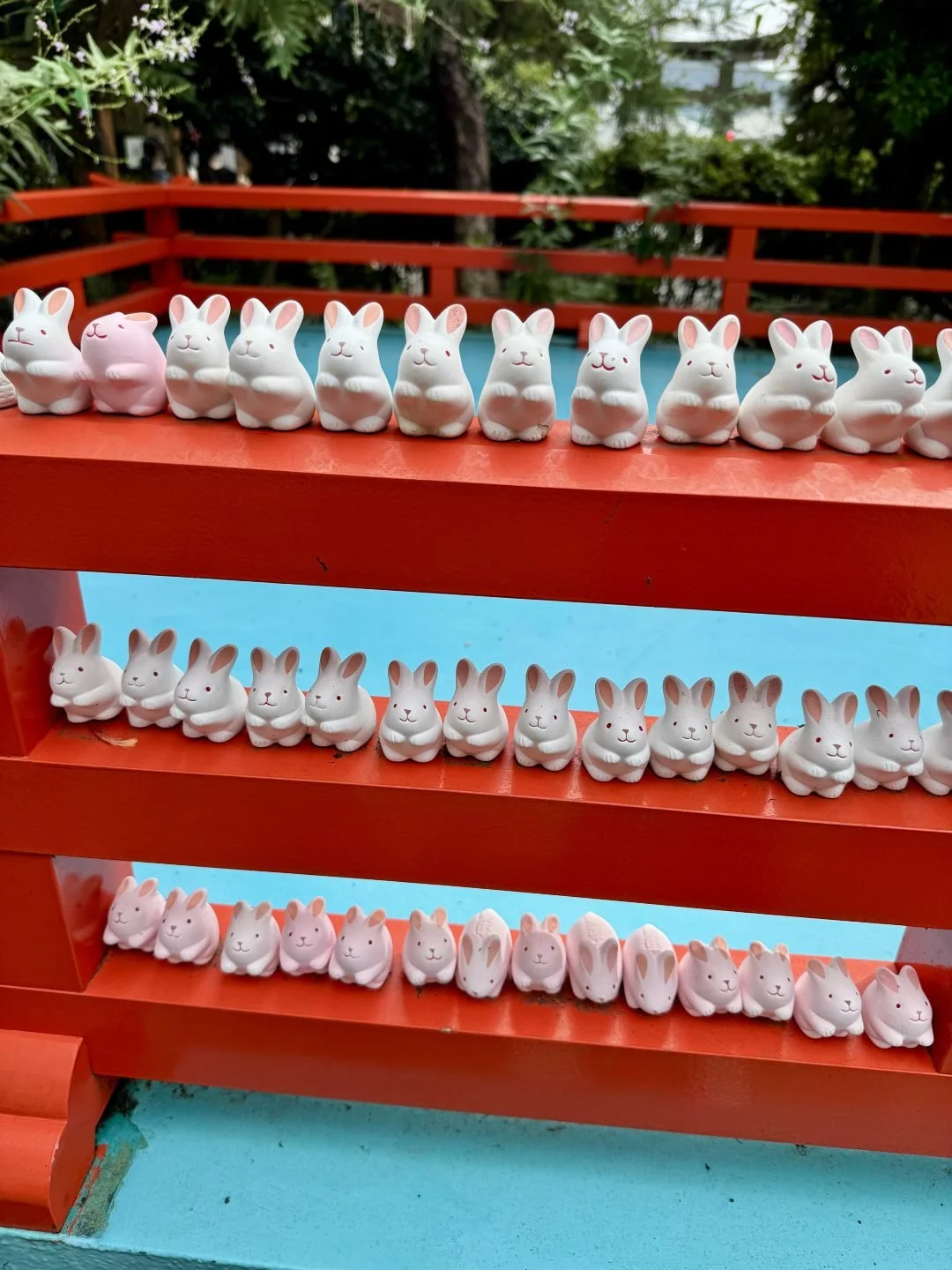
Okazaki Shrine
18. Chase Cherry Blossoms on the Philosopher’s Path
You can probably tell by now that we’re big advocates of discovering Kyoto on foot and the Philosopher’s Path is another opportunity to do exactly that. This 2-kilometer stone walkway is named after a famous Japanese philosopher (Kitaro Nishida) who used the trail for his daily meditations. If you time your Kyoto trip right, between late March and early April, you’ll be able to witness cherry blossom trees hanging over the little canal.
19. Watch a Geisha Show at Gion Corner
Near the southern end of Hanamikoji Street lies Gion Corner: a small classical theater that hosts a 50-minute show of performing arts. You’ll get to see Maiko (apprentice Geisha) perform traditional dances, as well as tea ceremonies, flower arrangements, and puppet theatre. It gives you a taste of Japanese culture without eating into too much of your dinner and nighttime plans - something we recommend if you’re short on time.
20. Stumble Upon Kyoto’s Lantern-Lit Streets
In addition to the tight alleyways, Kyoto boasts some wider streets that are lined with romantic lanterns (not counting Hanamikoji Street). We can’t recall their exact names or locations but we loved how the lights were arranged neatly alongside rows of hedges before curving off into the distance. All we can tell you is that these streets were on our route back to Akatsuki, guiding us home after an adventure-filled day in the city.
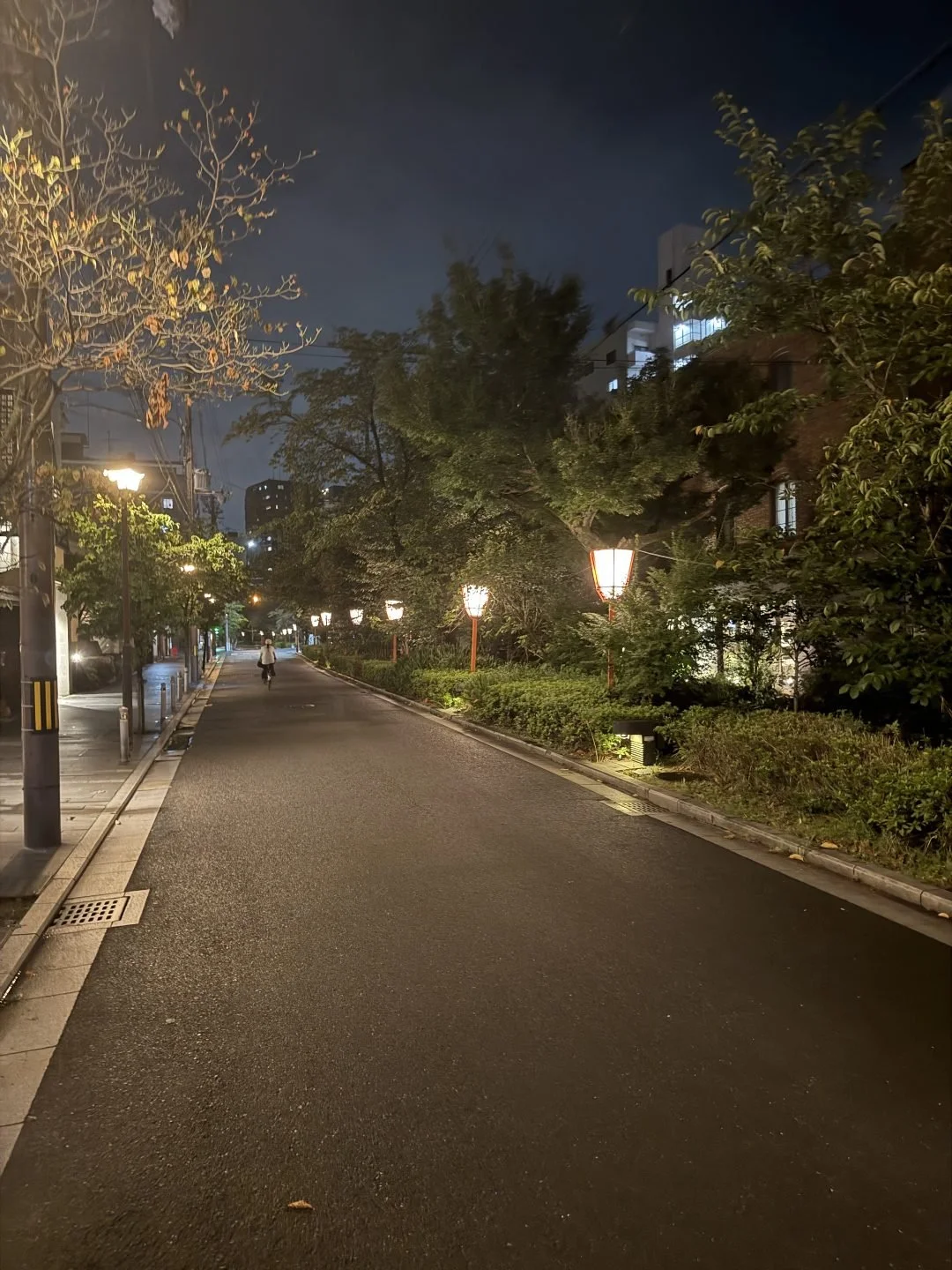
Lantern-lit streets
FAQs About Visiting Kyoto
How many nights do you need in Kyoto?
Kyoto is the type of destination that’s appreciated slowly, hence why you require more than a quick day trip from Osaka. We recommend at least 3 nights here - any less and you’re selling yourself short. In our opinion, Kyoto is easily the highlight of the Golden Route. As soon as you leave the neon lights of Tokyo and Osaka, and sense the charisma of Kyoto at night, you’ll understand what we mean. A noticeable shift in vibe takes place.
What’s the best season to visit?
We’ve visited Kyoto in every season (apart from winter) and would recommend any time. Our last trip was in September when it got super hot and muggy. Kat carried around a couple of portable fans to try to take the heat off but they didn’t really work. Of course, this humidity led to the occasional shower. Don’t panic if it rains, though. The streets are even more atmospheric when wet. The lanterns reflect in the small puddles and the river has a moody feel to it, with dark clouds hanging overhead.
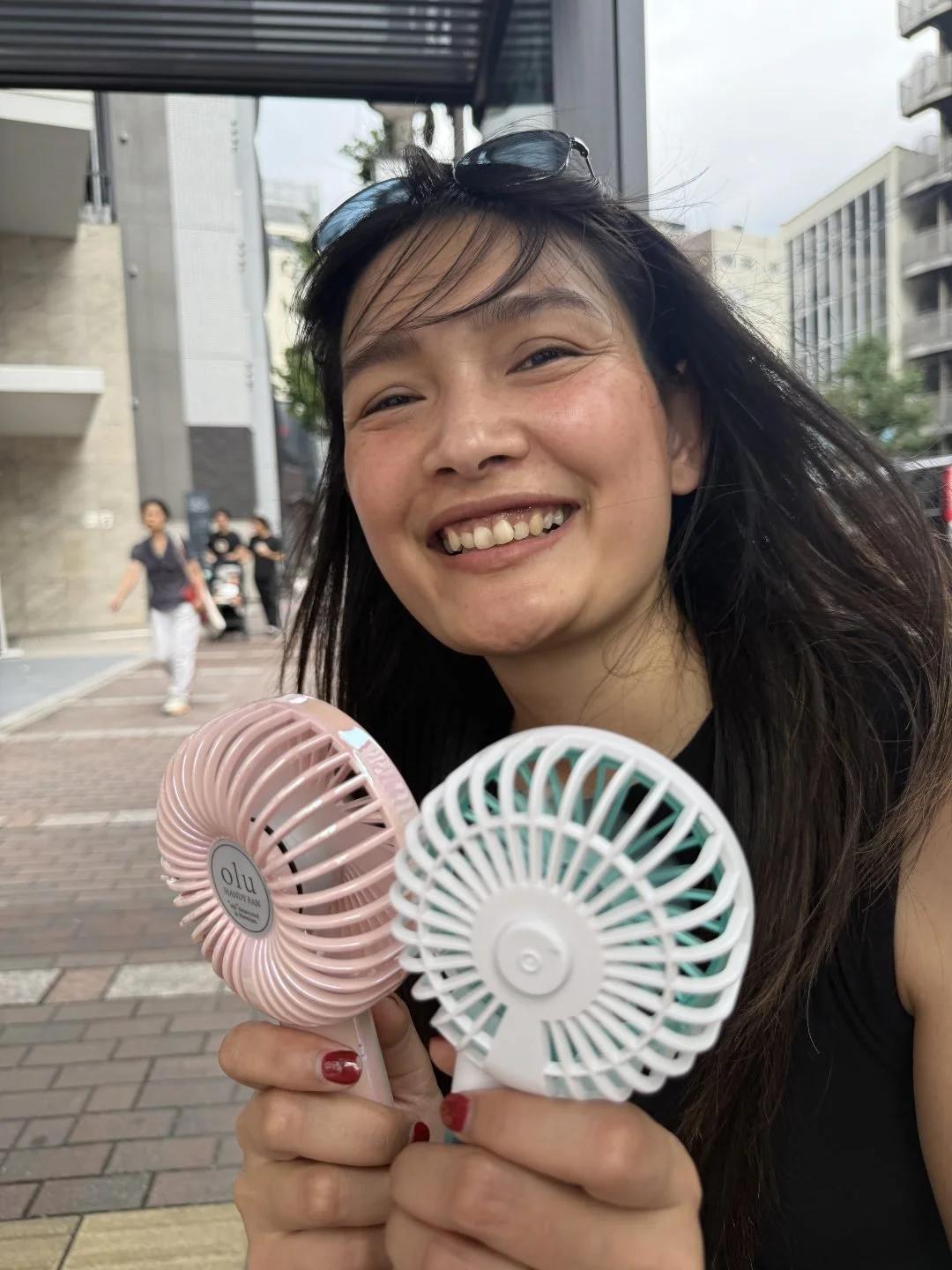
Heat of September
How expensive is Kyoto vs Osaka?
We do notice a fairly large jump in prices going from Osaka to Kyoto. Still, it’s manageable on a mid-range budget. You might have to forgo some fine dining to afford nicer accommodation, with the average hotel often costing 30-50% more than in Osaka. Just remember: being there is everything. As we’ve reiterated many times, you can save money by walking - or just by sticking to the free attractions and local dining spots. Lawson and FamilyMart are always close by if you get desperate.
